When it comes to fine, thin hair, the struggle is often one of “structural integrity.” Fine hair has a smaller diameter per strand, while thin hair refers to a lower density of strands on the scalp. When you combine the two, traditional updos can often look “skimpy” or fall flat within an hour.
However, the secret to a red-carpet-worthy updo isn’t necessarily having more hair—it’s about spatial geometry and texture management. By using specific anchoring techniques, “pancaking” braids, and light-reflecting products, you can create the optical illusion of a thick, luscious mane.
In this exhaustive guide, we’re breaking down 35 stunning updos specifically engineered for fine-haired beauties, complete with professional styling tips and visual prompts to inspire your next transformation.
The Fine Hair “Toolbox”: Before You Style
Before diving into the gallery, remember that fine hair requires a different preparation than thick hair.
- Avoid Heavy Conditioners: On the day of an updo, skip the heavy masks. They weigh down the cuticle.
- The “Grit” Factor: Clean, silky hair is the enemy of an updo. Use a dry texturizing spray or a volumizing powder at the roots to give your hair “teeth” so pins actually stay in place.
- Heat is Your Friend: A slight wave with a curling iron adds a 3D dimension to the hair, making a bun look twice as large as it would if the hair were pin-straight.
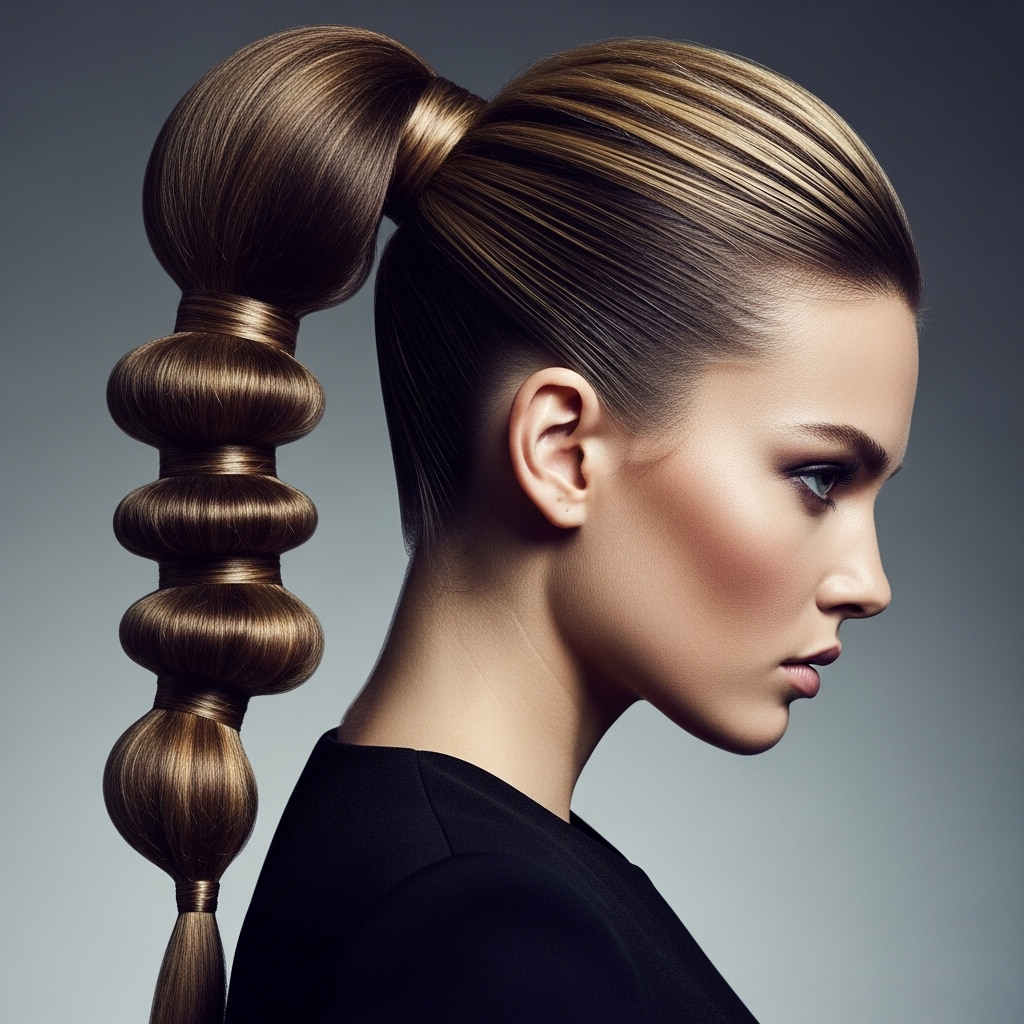
1. The Architectural Sleek Ponytail
A sleek ponytail is the ultimate power move. For fine hair, the danger is a “limp” tail. To fix this, use two elastics instead of one to provide a sturdier base, and wrap a small section of hair around the band. This lifts the ponytail away from the scalp, creating an immediate sense of thickness.
- Styling Tip: Use a toothbrush with a bit of hairspray to smooth down flyaways without flattening the volume at the crown.
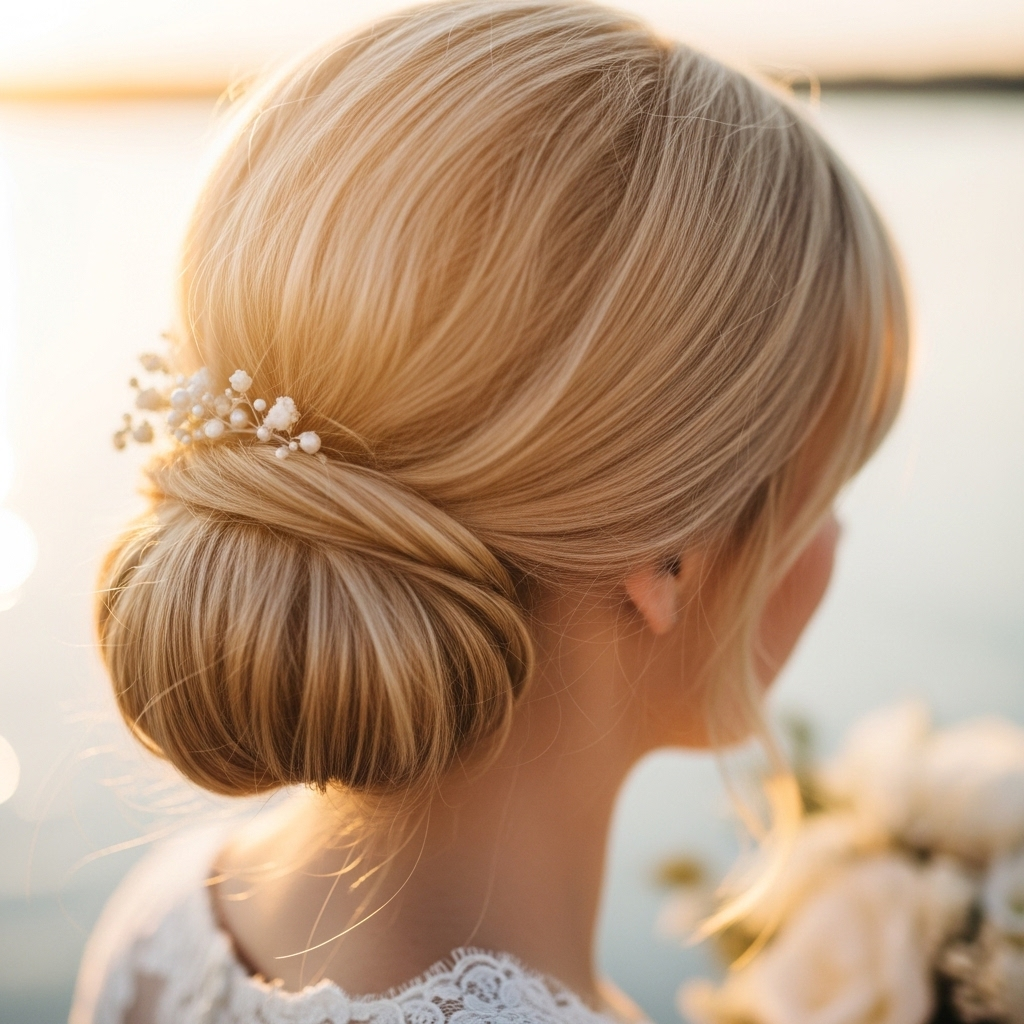
2. The Romantic Chignon with Face-Framing Bangs
The Chignon (French for “nape of the neck”) is a low-density hair savior. By rolling the hair horizontally rather than in a circular bun, you spread the mass of the hair wider across the neck. Adding wispy bangs or curtain layers breaks up the forehead line, drawing the eye to the “fullness” of the style.
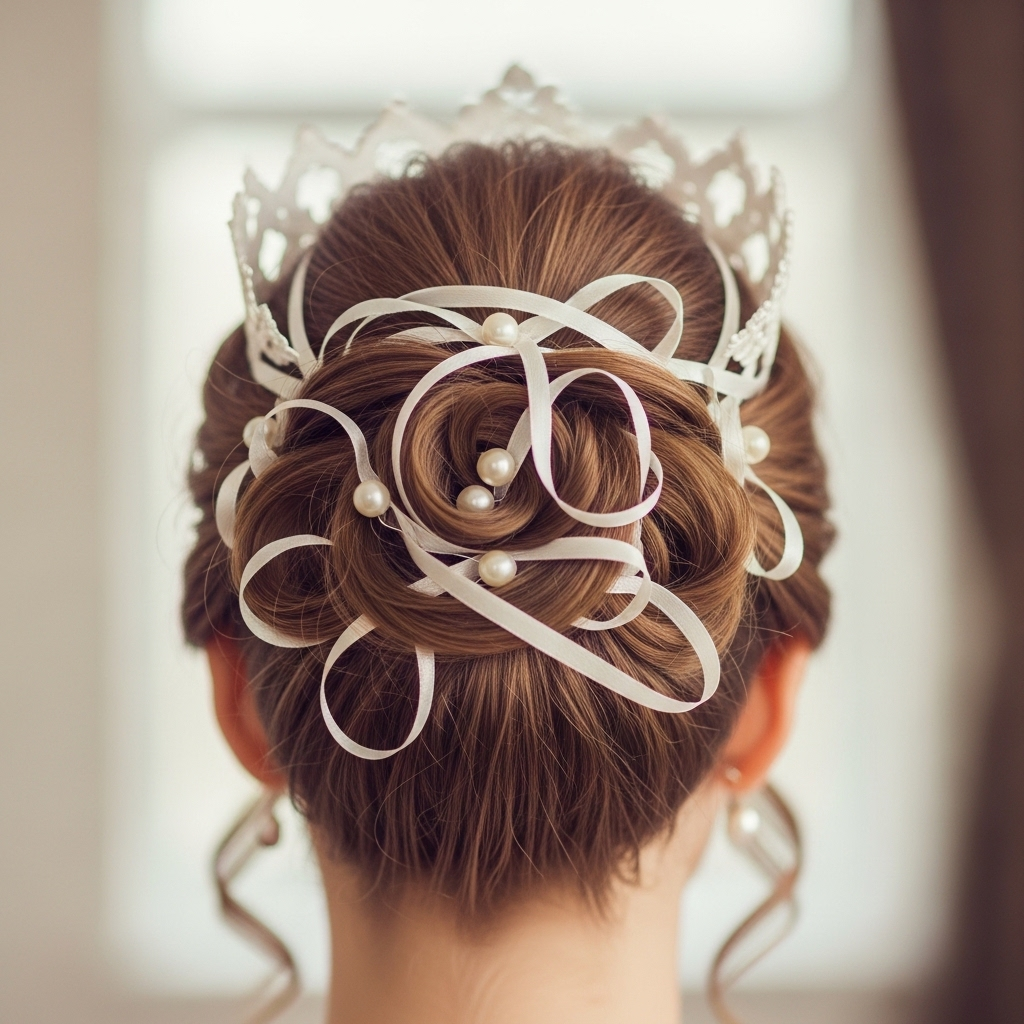
3. The Vintage Bridal “Volume” Updo
Brides with thin hair often worry about their veil pulling their hair flat. This vintage-inspired look uses a hidden “hair donut” or padding to create a foundation. The natural hair is then draped over the form, giving the appearance of a massive, regal bun.
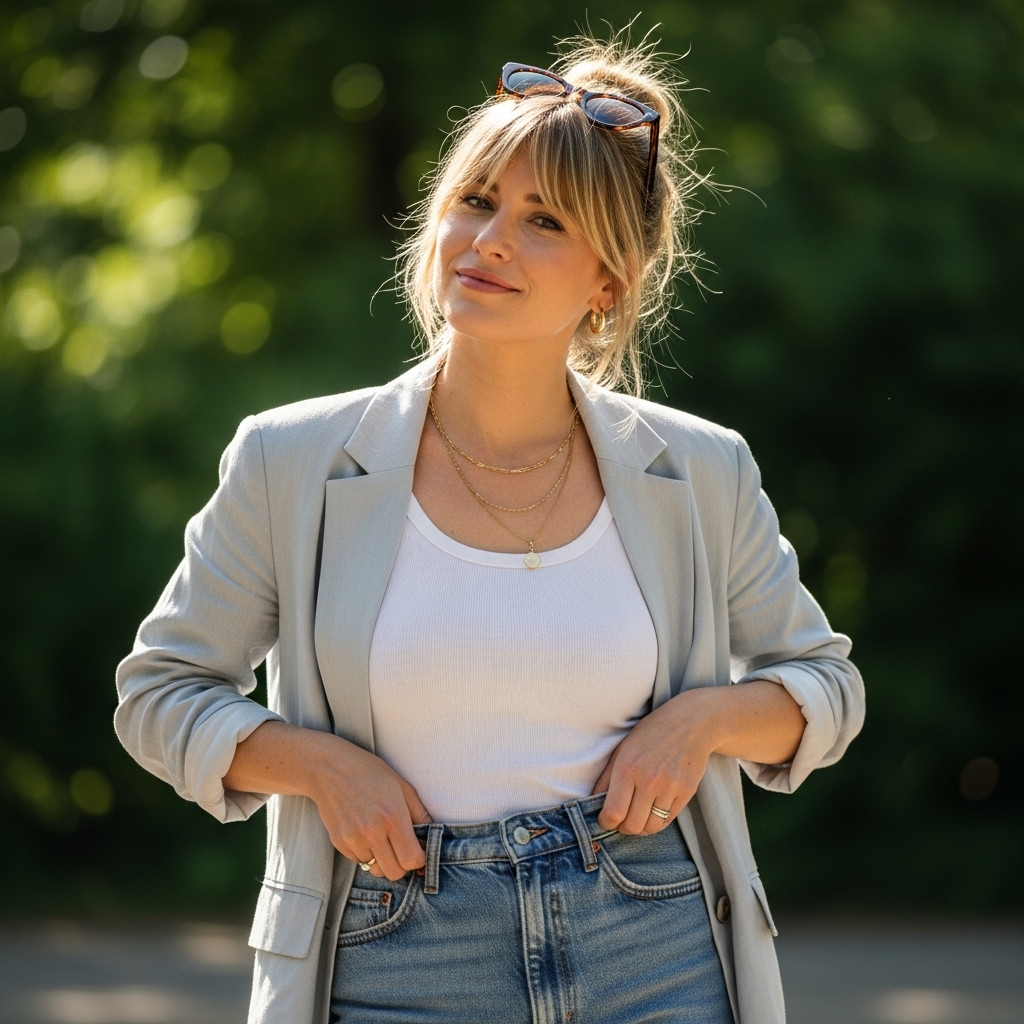
4. The Curtain Bang Hybrid
Curtain bangs are the “contouring” of the hair world. When paired with a mid-height updo, the bangs create a shadow effect on the cheekbones, making the rest of the hair look significantly denser by comparison.
5. The Deconstructed “Soft” Ponytail
Unlike the sleek pony, this version relies on “disorder.” By pulling small loops out of the ponytail and using a sea-salt spray, you create “air pockets” between the strands. This increases the total surface area of the hairstyle.
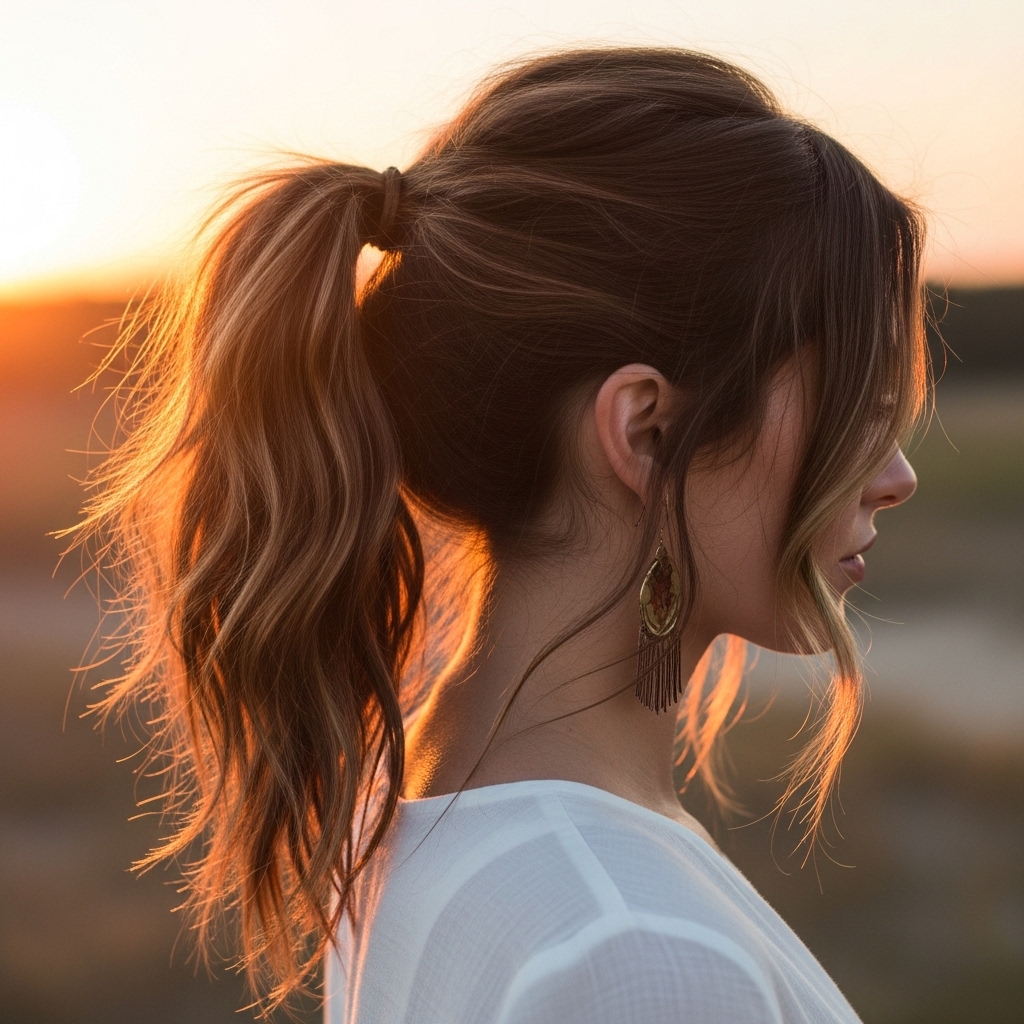
6. The “Spring-Loaded” Bouncy Ponytail
To get “bounce” in thin hair, you need internal structure. Professional stylists often hide a small claw clip inside the base of the ponytail to keep it propped up. This prevents the hair from drooping under its own weight.
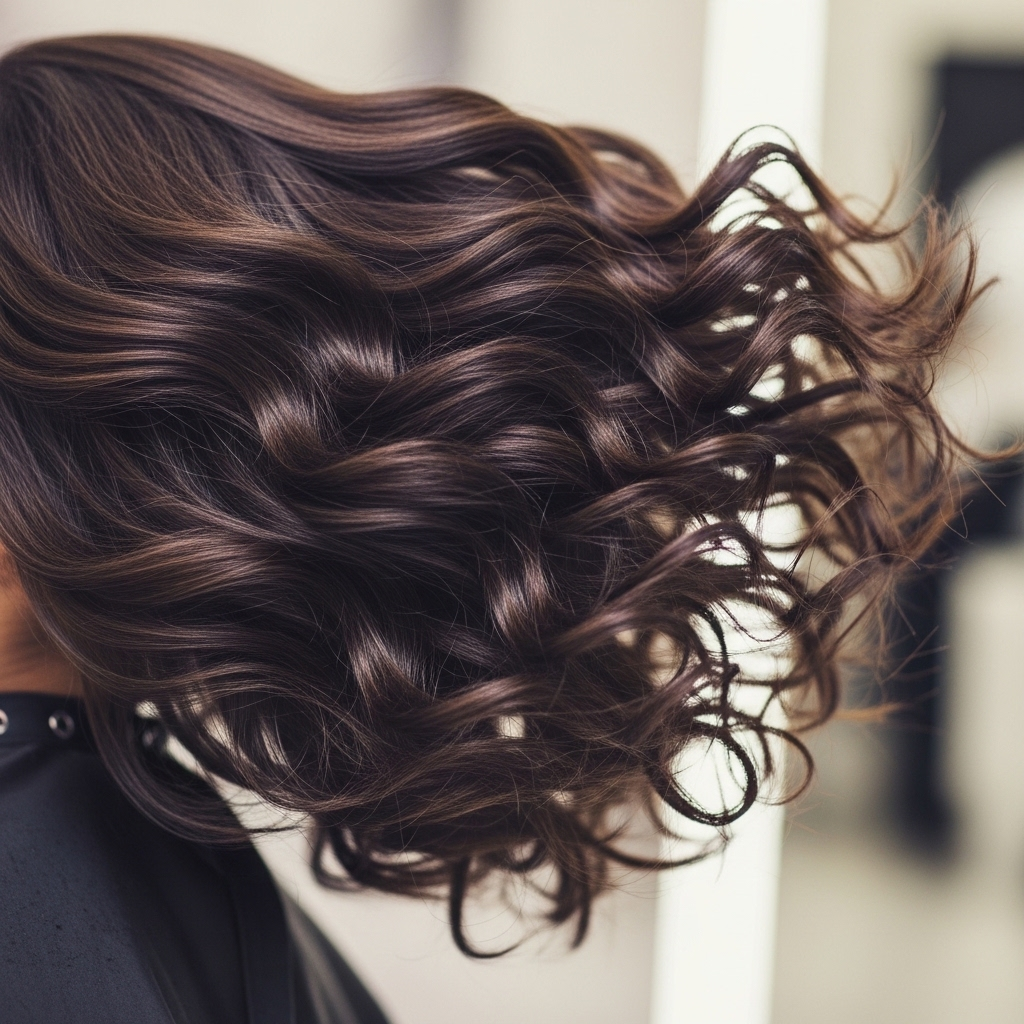
7. The Unparted “Infinity” Bun
By brushing the hair back without a part, you eliminate the “scalp peek-through” that often plagues thin hair. This creates a solid wall of color and texture that leads directly into a polished bun.
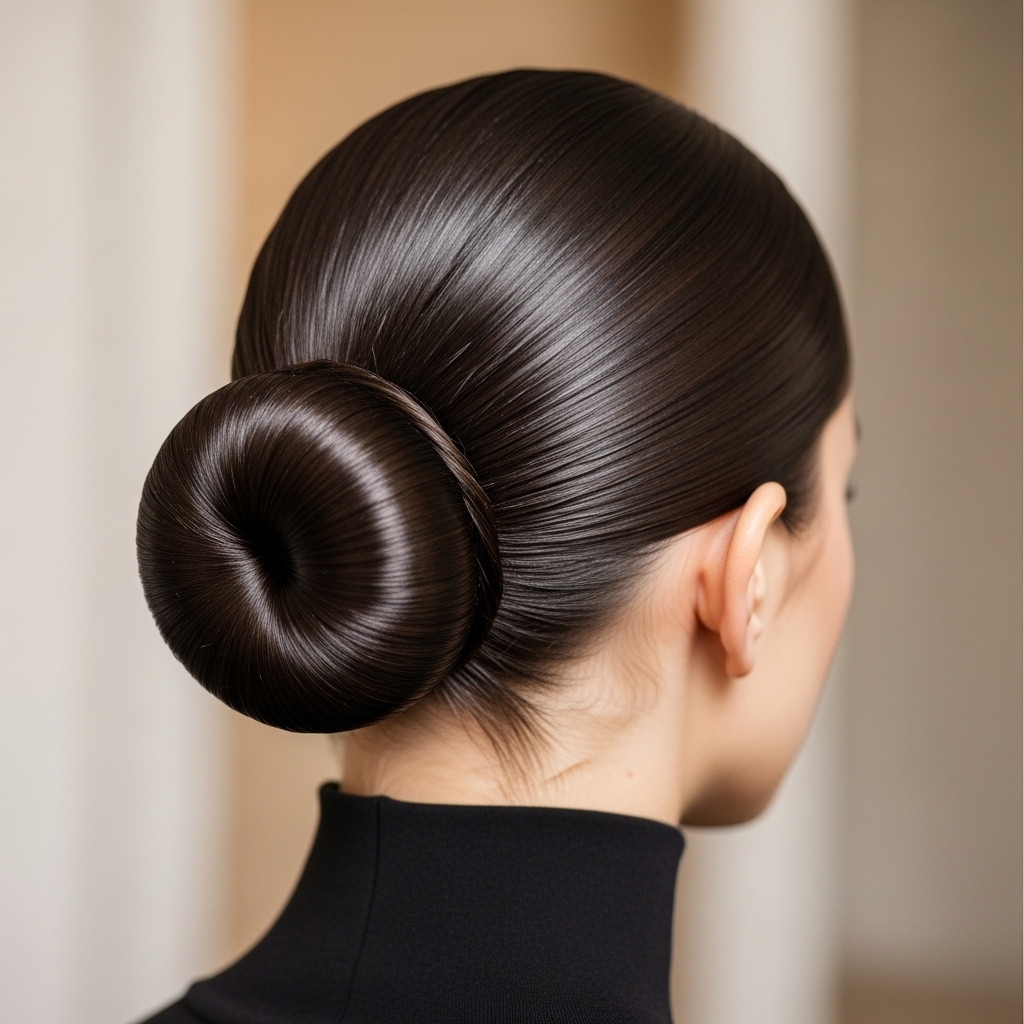
8. The Mod Beehive (Reimagined)
The 60s knew volume better than anyone. A modernized beehive focuses on “back-brushing” the internal layers while keeping the top layer smooth. This creates a “pillow” of hair that stays tall all night.
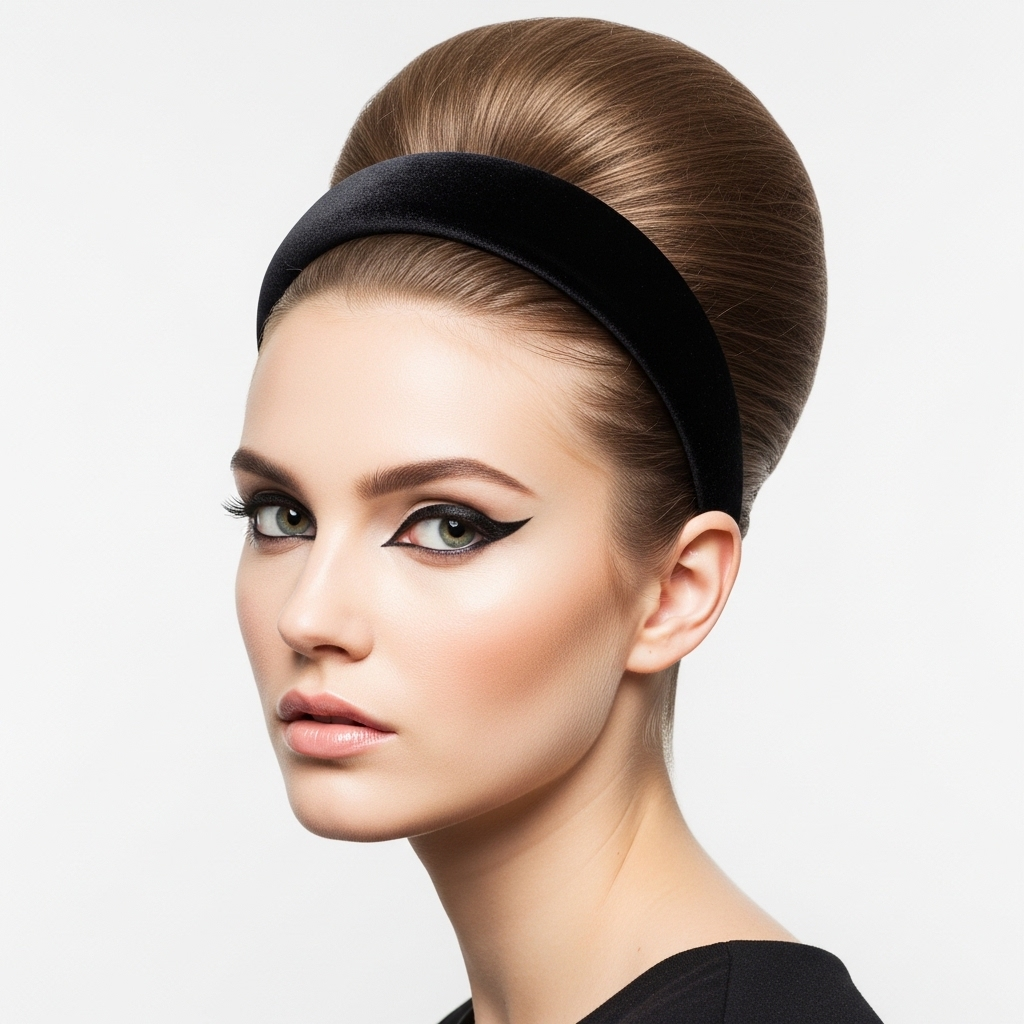
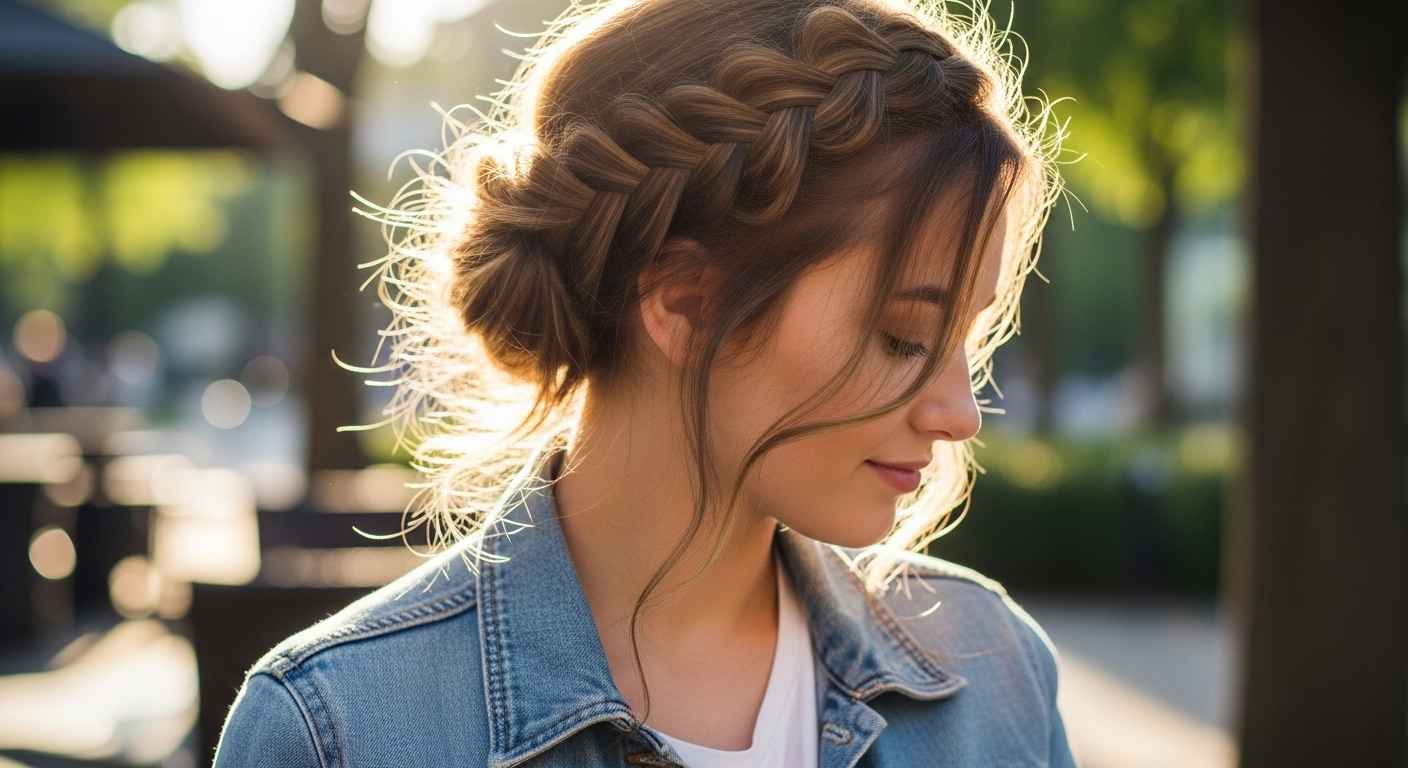
9. The Messy Braided Crown
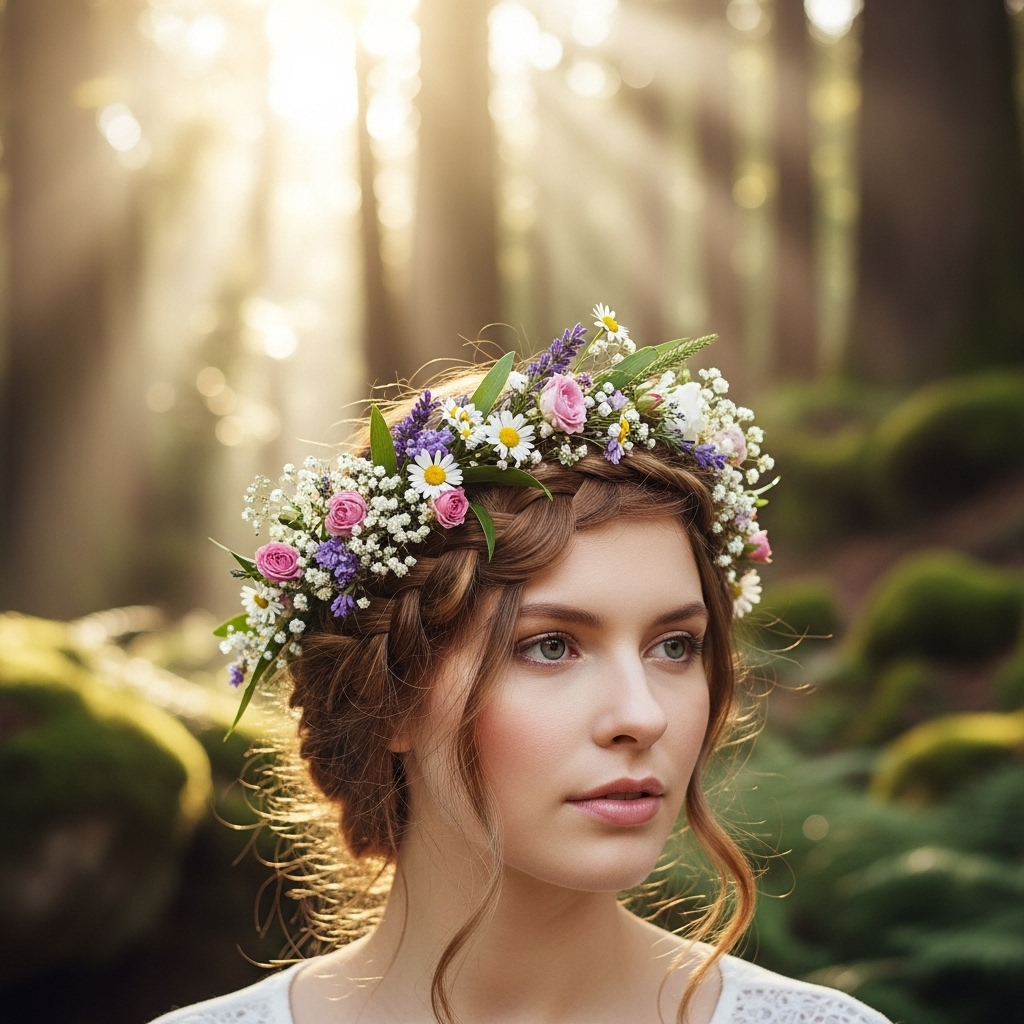
Braids are essentially “origami for hair.” A braided crown for thin hair should never be tight. Instead, use the “pancaking” method: once the braid is done, pull the edges out until the braid is two or three times its original width.
10. The Red-Carpet Textured Bun
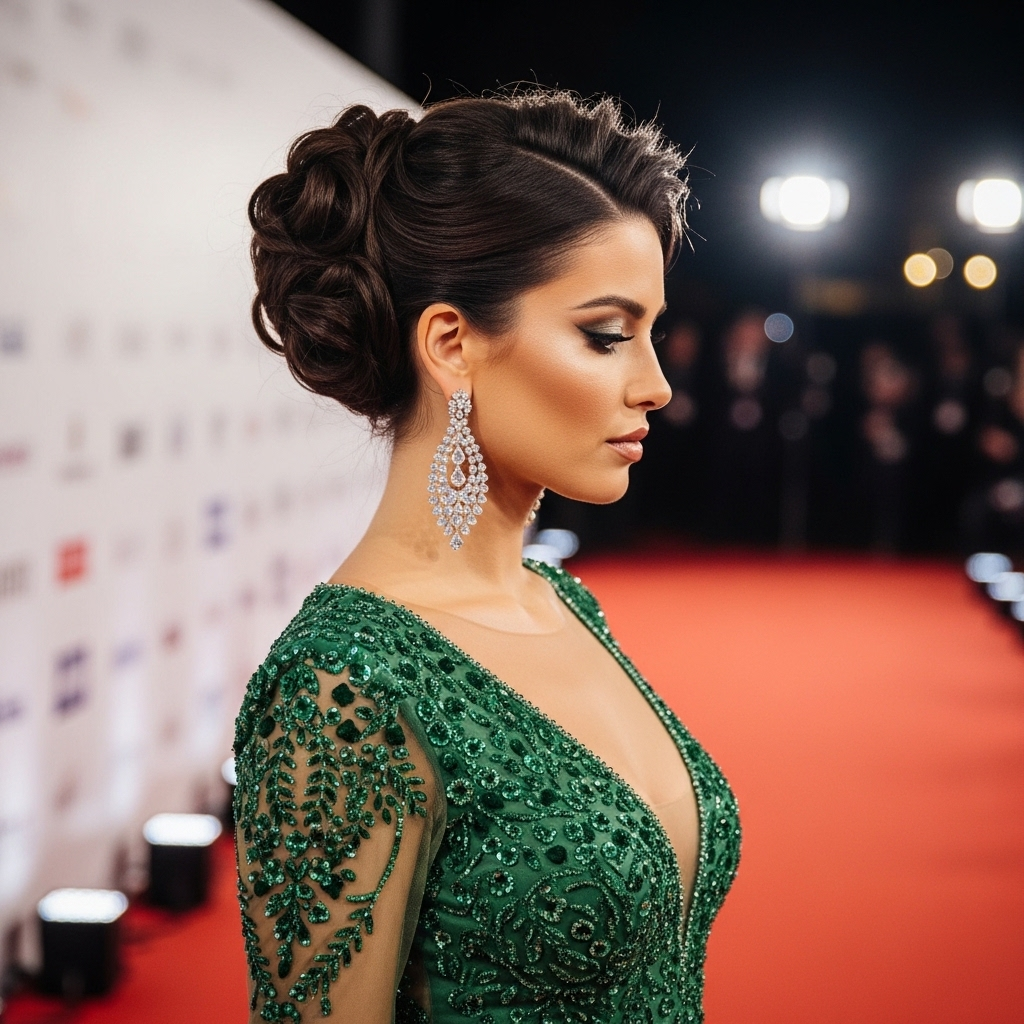
This look combines a high bun with heavy texture. The “texture” acts as a filler, preventing the hair from laying flat against each other. It’s a favorite for celebrities with fine hair who want to look “expensive” and effortless.
11. The Glamour “Wrap” Ponytail
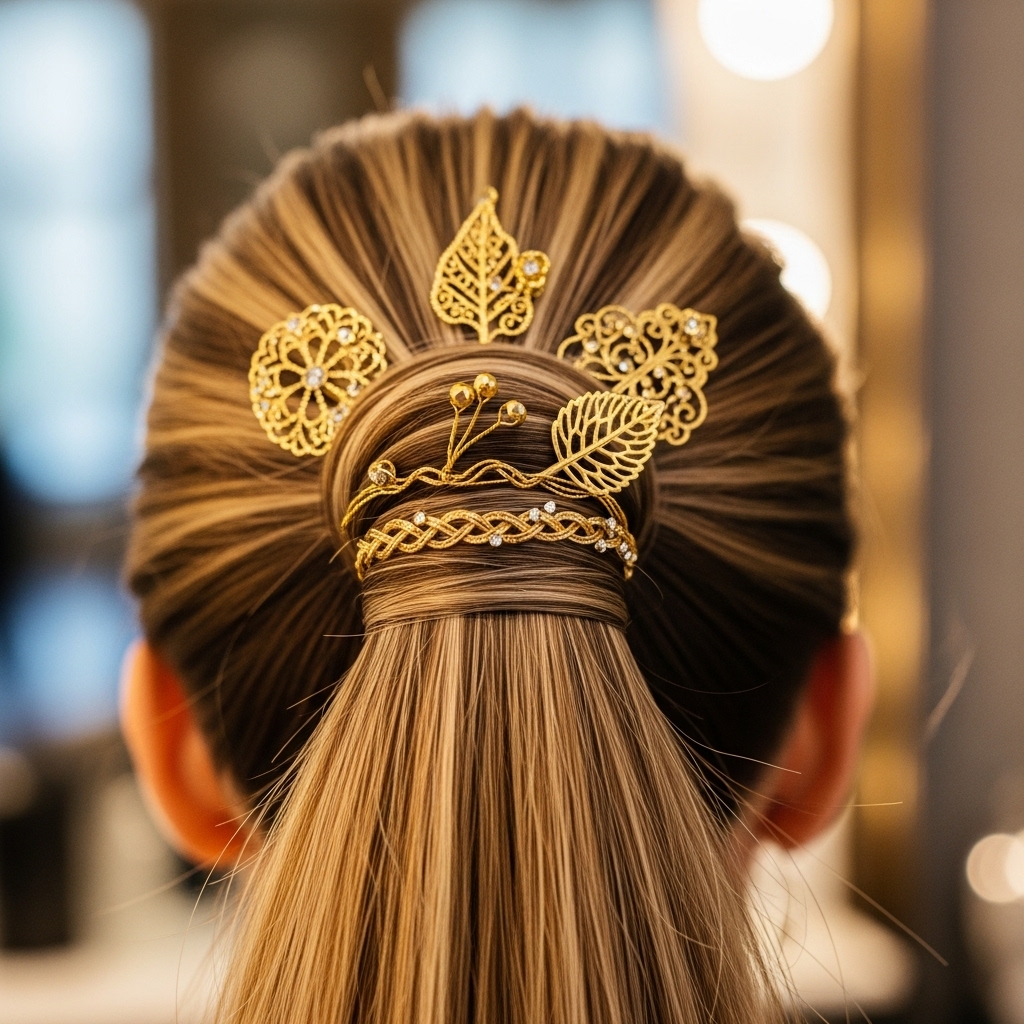
For this, the ponytail is divided into three sections. The middle is the base, and the two side sections are wrapped around it in a criss-cross pattern. This adds “bulk” to the base of the pony, making it look like you have twice as much hair.
12. The High Stacked “Cloud” Updo
Stacked updos use verticality to distract from a lack of horizontal density. By pinning small sections of curled hair on top of one another, you create a “stack” that looks voluminous from every angle—front, side, and back.

13. The Functional “Clapped” Updo
A “clapped” updo uses flat-lay pinning techniques to keep the hair secure during movement. It’s perfect for dancers or party-goers who need their fine hair to stay “puffed up” without losing its shape to gravity.
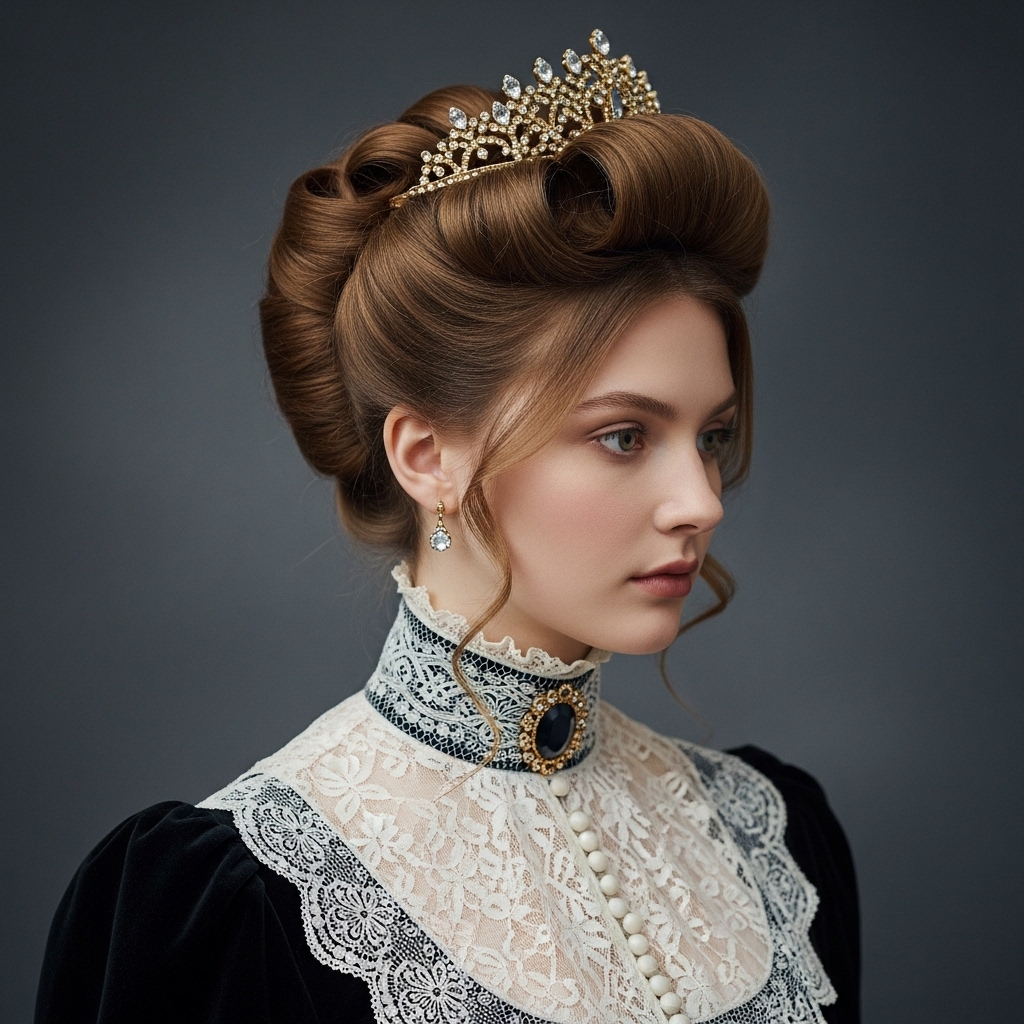
14. The Old English Royal Tucks
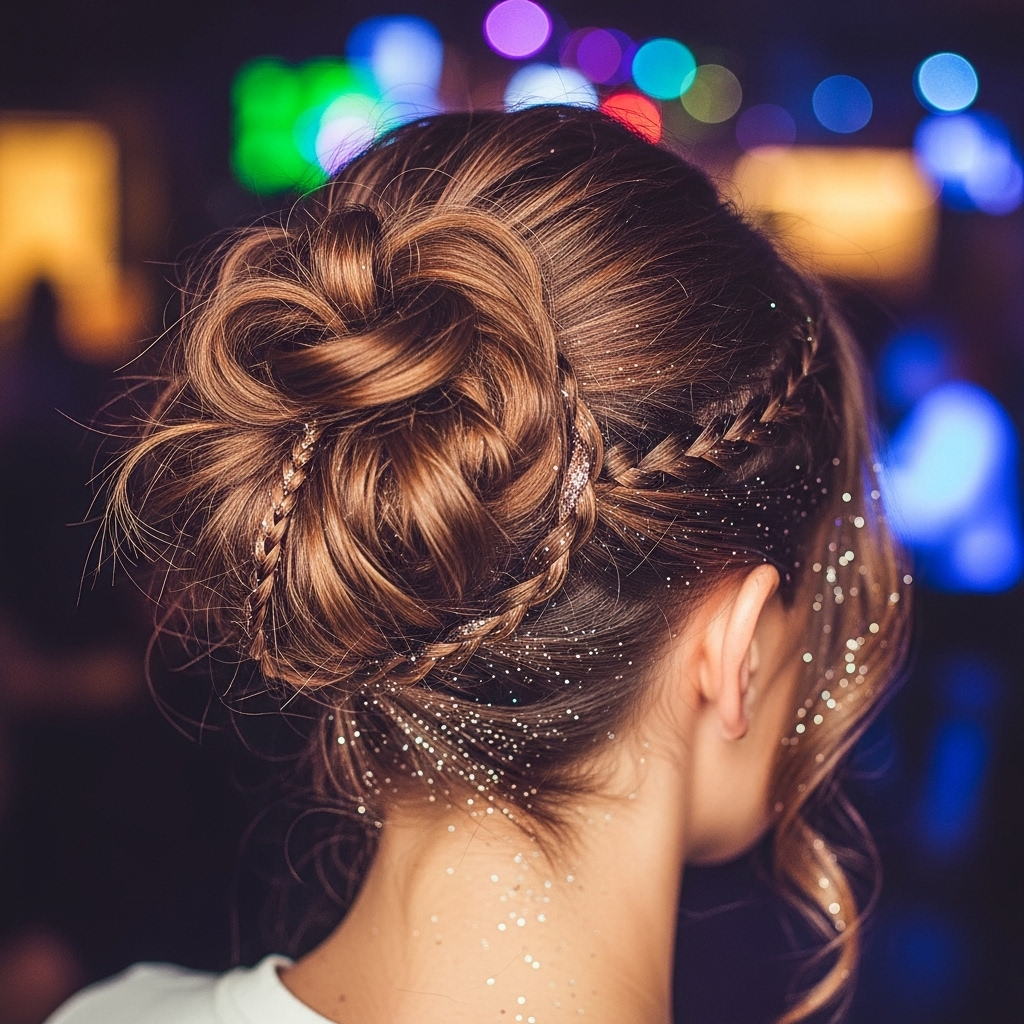
Inspired by Victorian aesthetics, this style involves rolling the hair into horizontal “logs” or “tucks.” This creates a very structured, dense look that hides the thinness of the ends by tucking them completely out of sight.
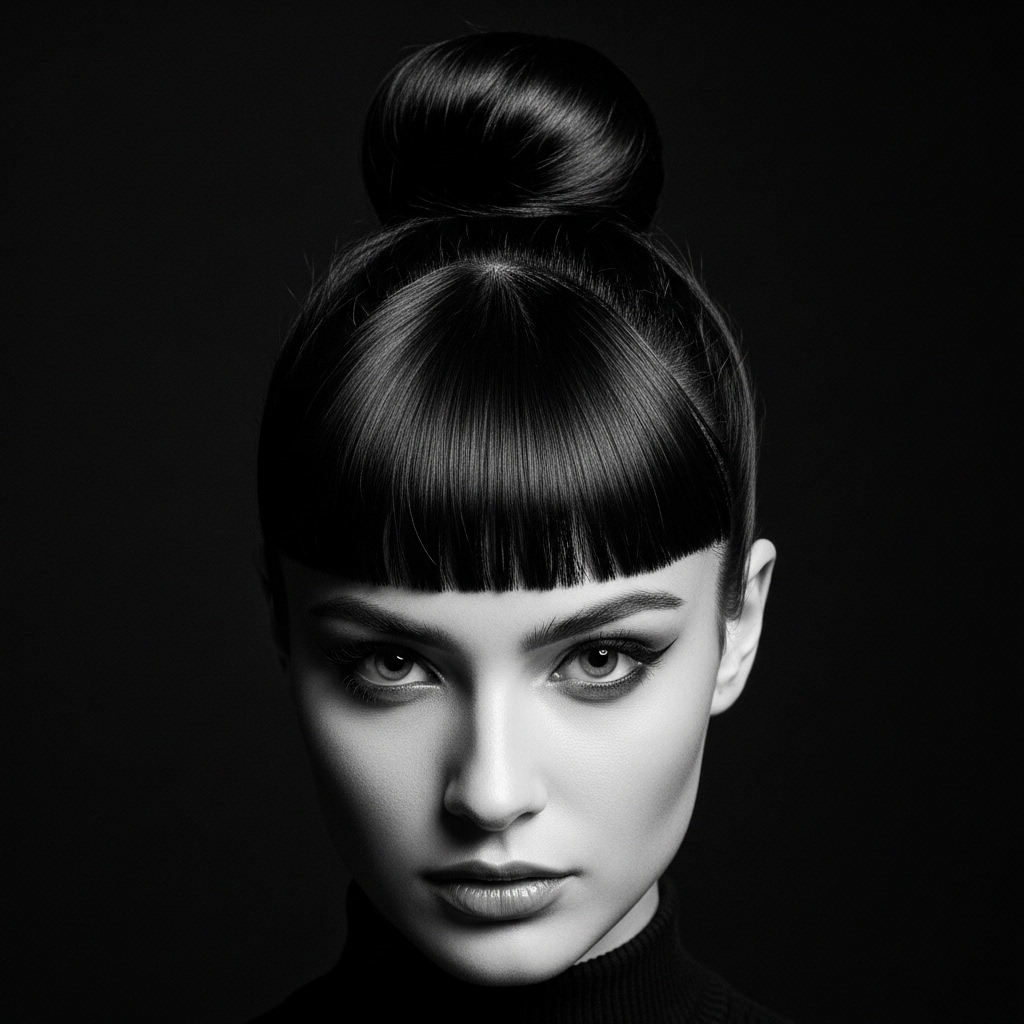
15. The Statement Center Bun with Bangs
A center-aligned bun creates symmetry, which is pleasing to the eye and makes the hair look more balanced. When you add bangs, you’re essentially “borrowing” hair from the back to create volume in the front.
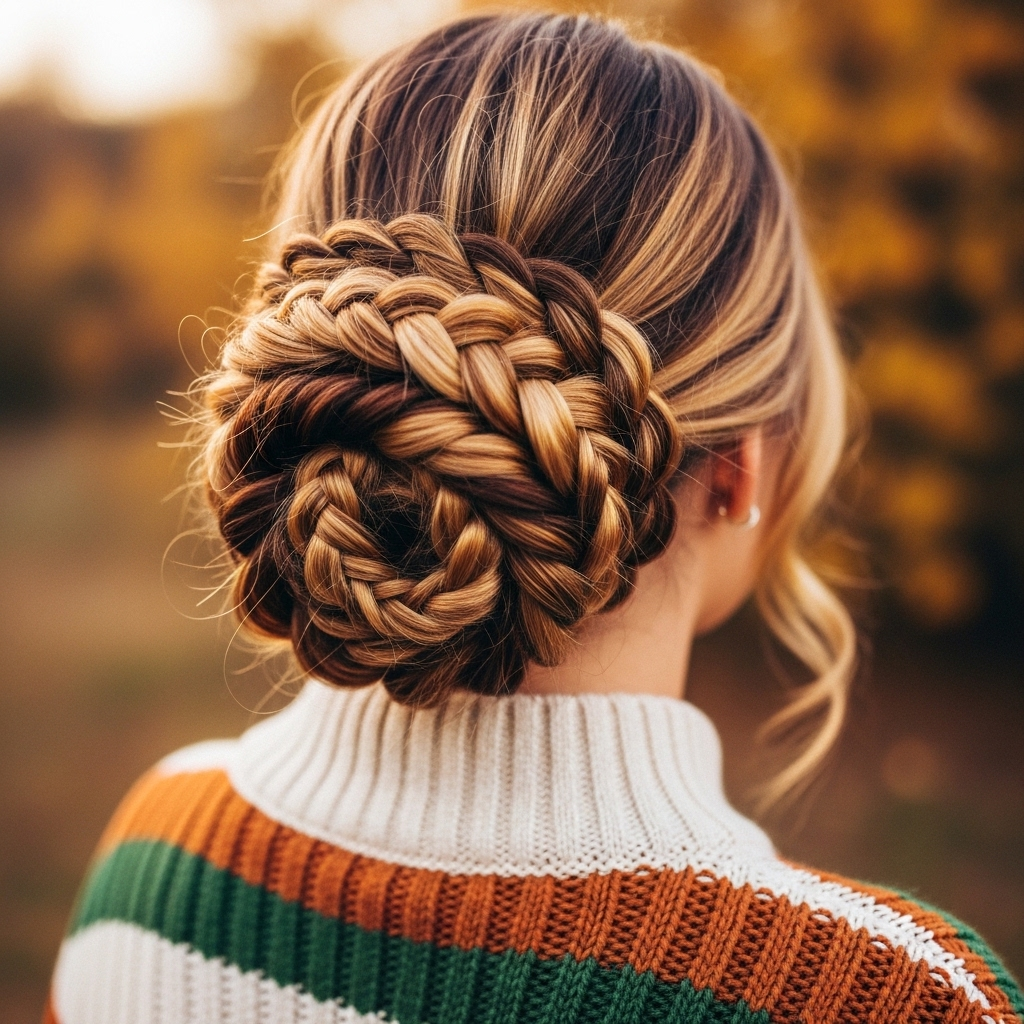
16. The Large Braided “Donut”
If your natural hair can’t make a large bun, braid it first. A braided bun occupies more physical space than a twisted bun, making the final look appear much more substantial.
17. The 360-Degree Round Updo
This updo focuses on creating a “halo” of hair around the head. By pulling sections loosely toward the center and pinning them in a circular pattern, you create a sphere of volume that looks full from all 360 degrees.
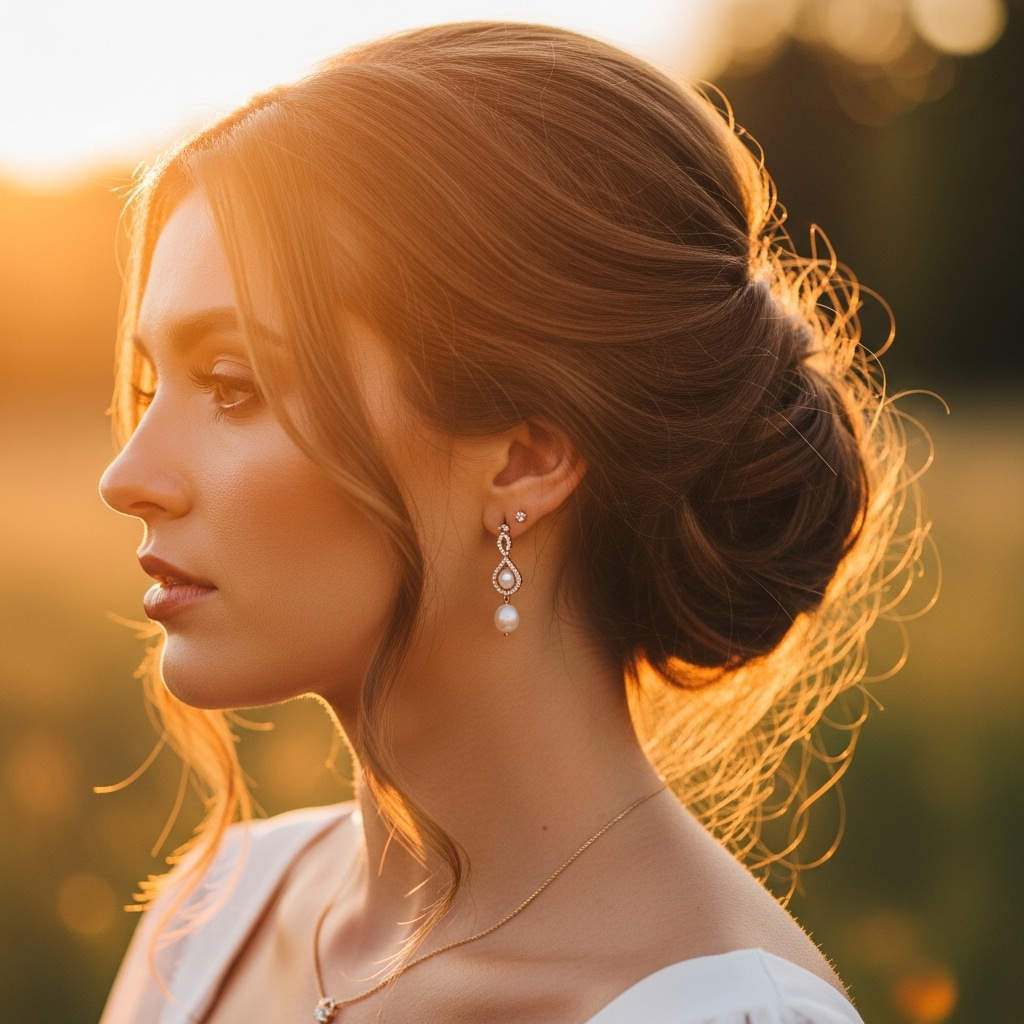
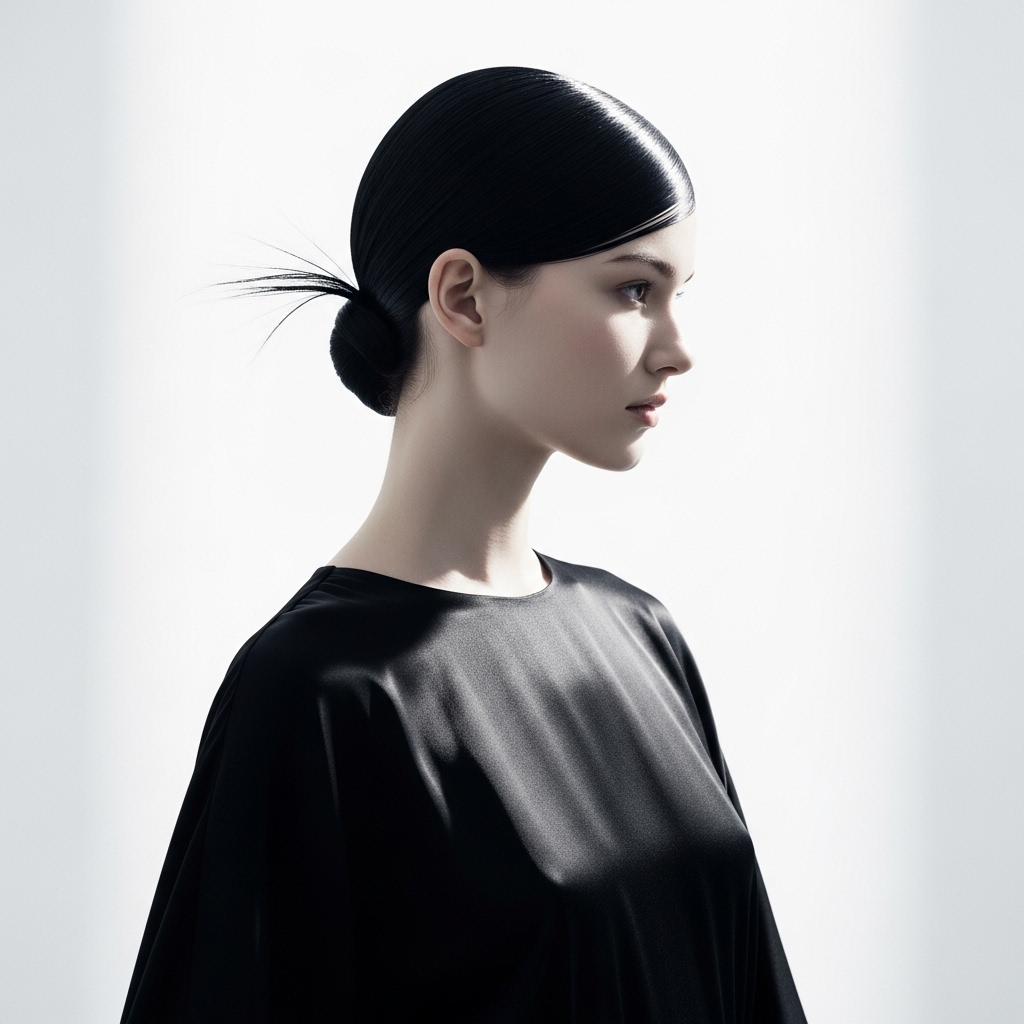
18. The Minimalist “Tucked” Knot
Sometimes, less is more. For very fine hair, a tiny, perfectly polished knot can look intentional and chic. The key is a “high-gloss” finish which reflects light, making the hair look healthy and dense.
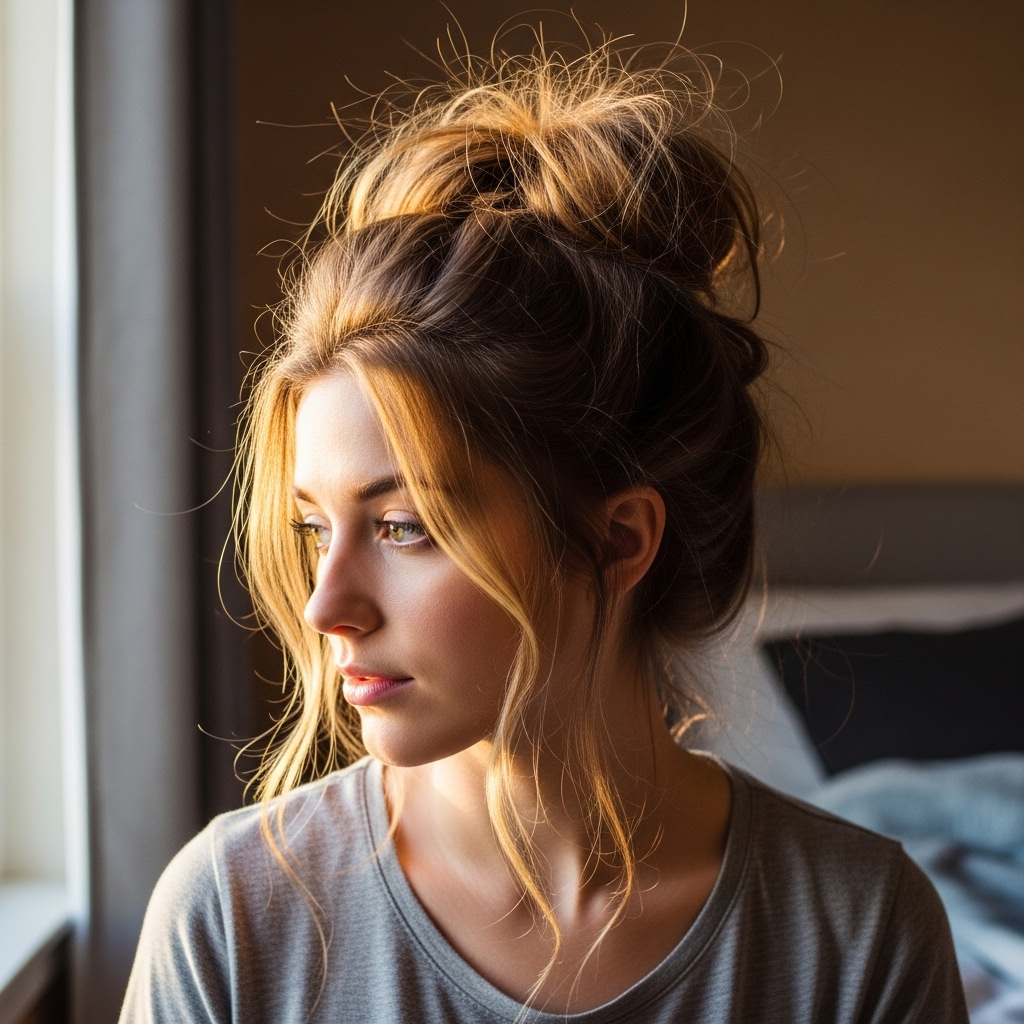
19. The “Tousled” Volume Updo
This is the “just rolled out of bed but I’m a billionaire” look. It uses a lot of dry shampoo and random pinning. The randomness creates gaps and “loft,” which are the secret ingredients to volume.
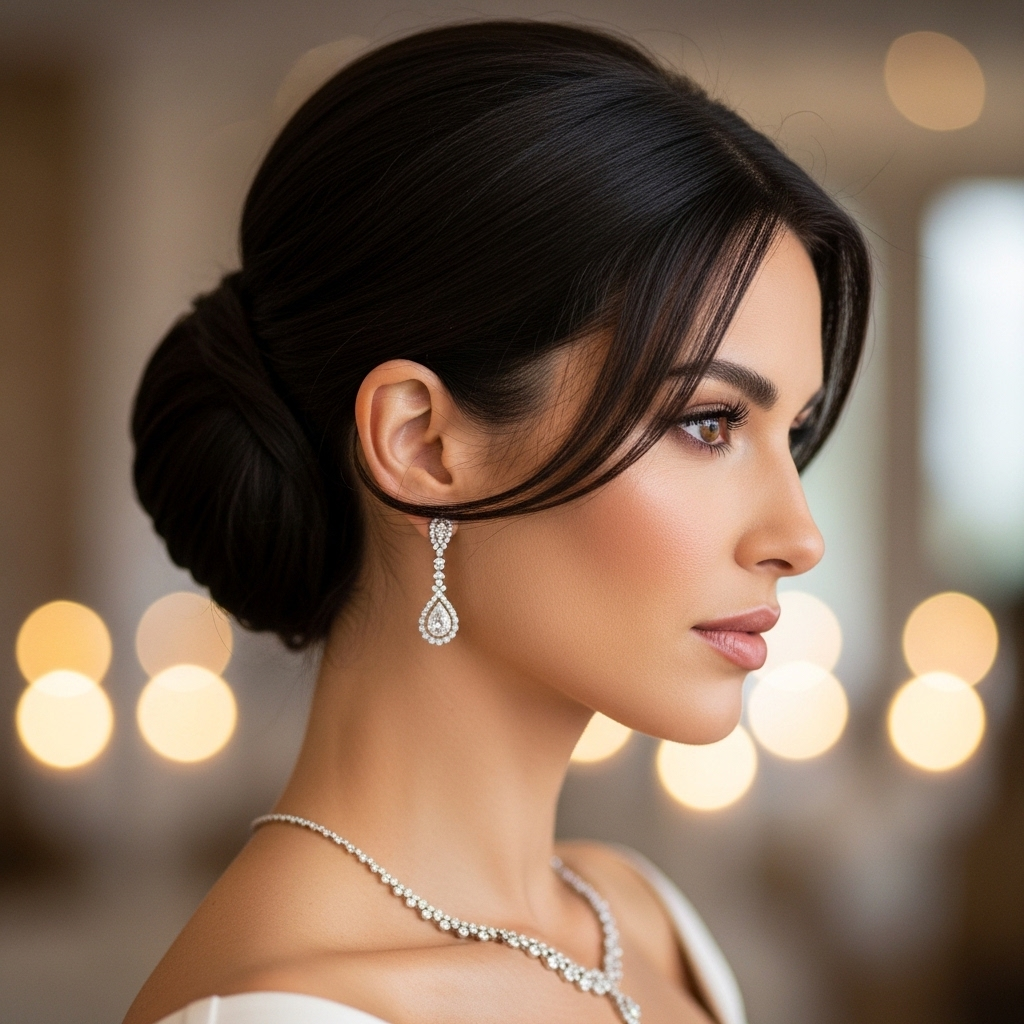
20. The Nape-Level Voluminous Bun
By placing the bun at the nape of the neck, you can use the neck as a “shelf” to support the weight of the hair. This allows you to fluff the bun out more without it sagging.
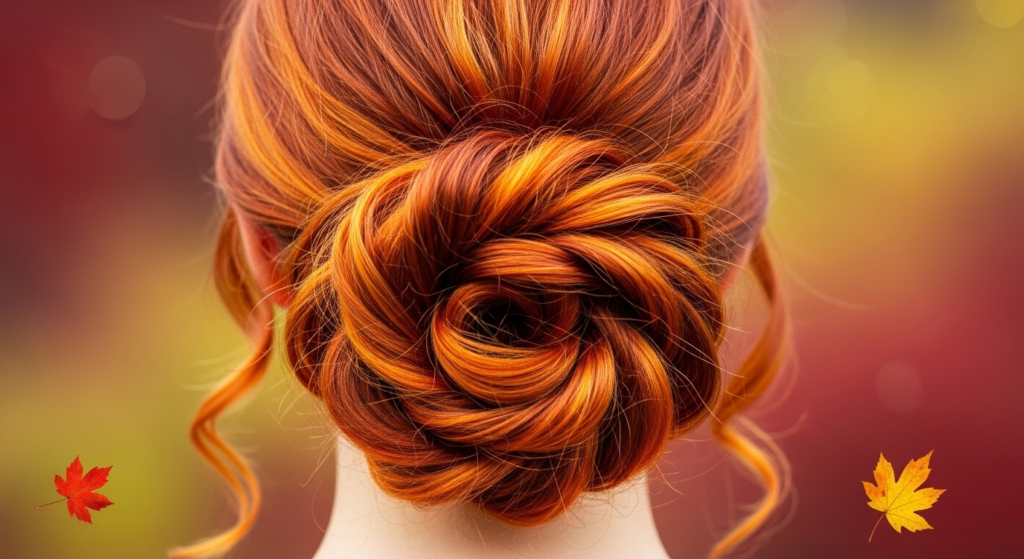
21. The Twisted Low-Profile Bun
Twisting hair compresses the strands into a “rope,” which actually looks thicker than loose hair because it creates a solid, shadowed shape. It’s a great trick for those with very sparse hair.
22. The Minimalist French Twist
The French Twist is a vertical style. Because it’s pinned against the head, it doesn’t “dangle,” which prevents thin hair from looking wispy. It’s a “solid” style that suggests a lot of hidden volume inside the fold.
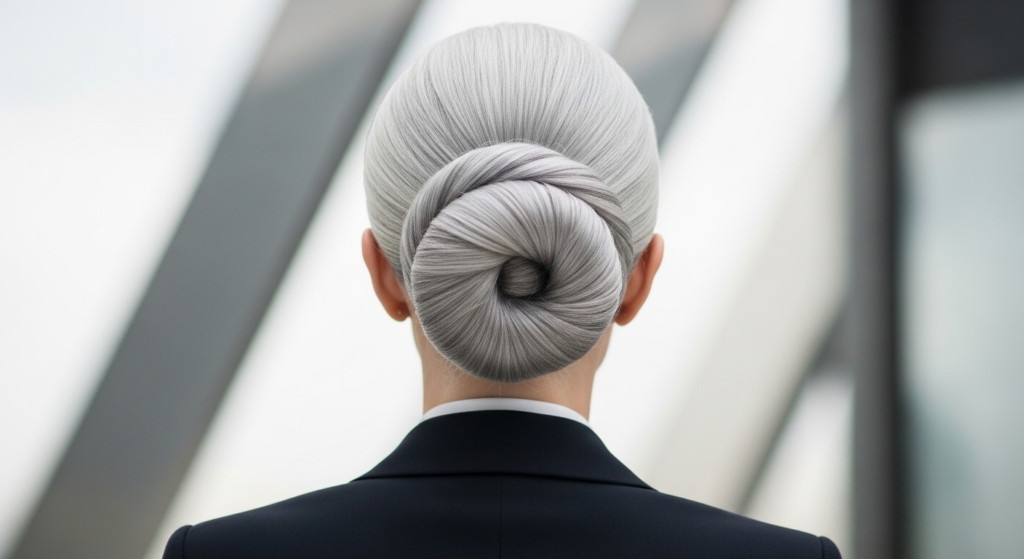
23. The Romantic Bridal Chignon
For the big day, this look uses “fillers” or “padding” that matches your hair color perfectly. The result is a soft, cloud-like bun that looks natural but offers 3x the volume of your actual hair.
- Image Prompt: Romantic bridal chignon, lace veil, soft pink roses, ethereal wedding lighting.
24. The High-Density “Full” Bun
To achieve this, you tease the ponytail before wrapping it. This creates an internal “scaffold” of hair that keeps the bun from collapsing into a small knot.
- Image Prompt: Full, oversized bun on top of the head, dark hair, casual lifestyle photography.
25. The Clean-Line Minimalist Bun
This is all about the “wrap.” By using a wide ribbon of hair to wrap the base, you create a “thick” look that is both modern and incredibly easy to achieve.
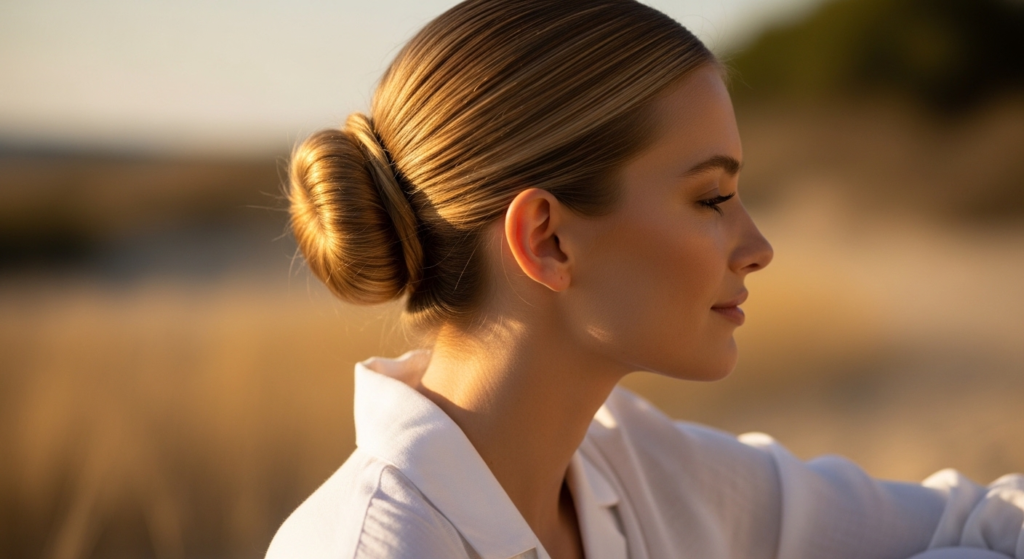
26. The Wavy “Special Occasion” Updo
Waves add “width.” If you have a gala or a wedding, curling the hair before pinning it up is non-negotiable for fine hair. Every wave is a mountain of volume.
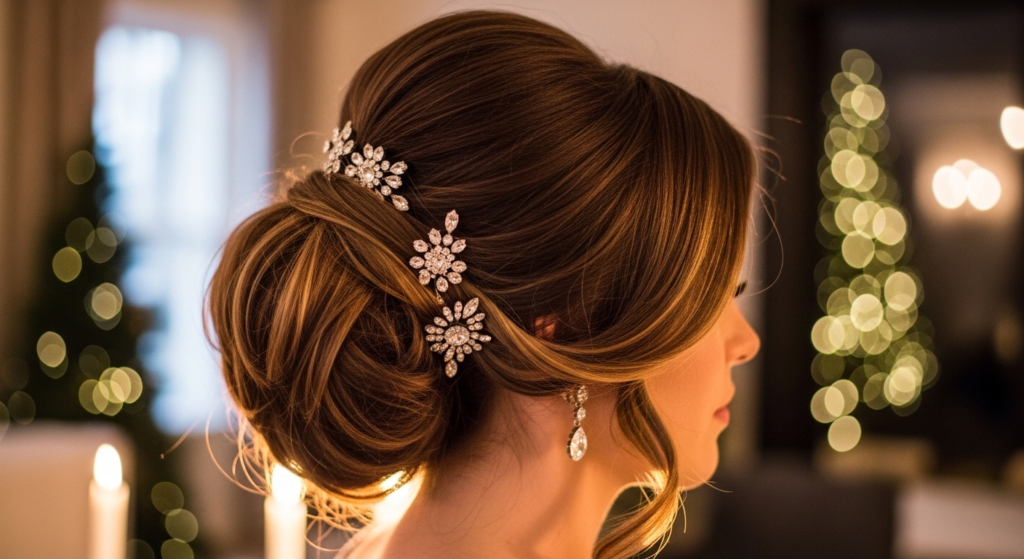
27. The High-Textured “Bangs” Bun
This style brings the “party” to the front. By pulling the bun high and letting the “ends” of the hair fall forward like faux-bangs, you add volume to the crown and interest to the face simultaneously.
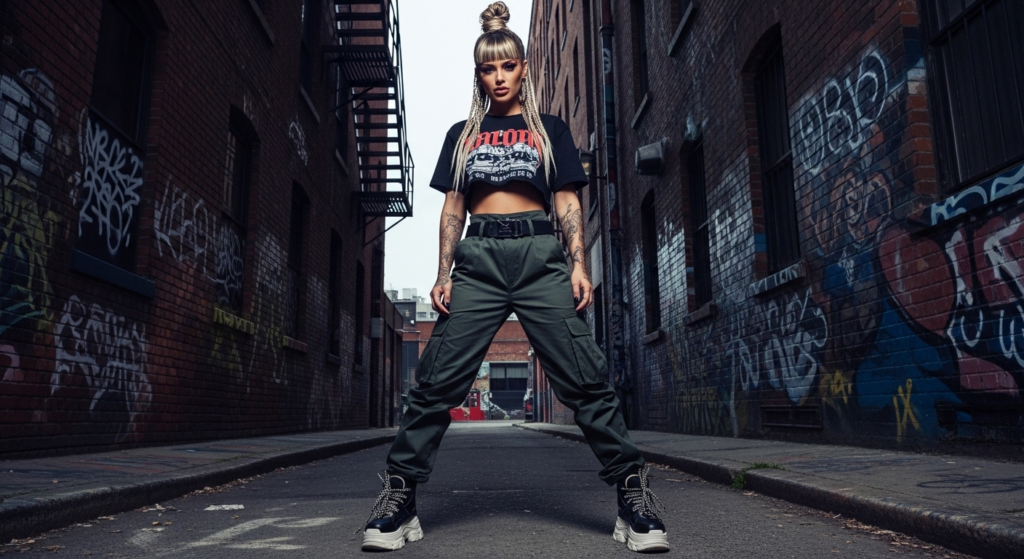
28. The Braid-and-Twist Combo
Complexity creates the illusion of density. When a viewer sees a braid and a twist, their brain assumes there must be a lot of hair to create such an intricate pattern.
- Image Prompt: Side view of a braid and twist updo, multi-tonal hair, professional hair salon shot.
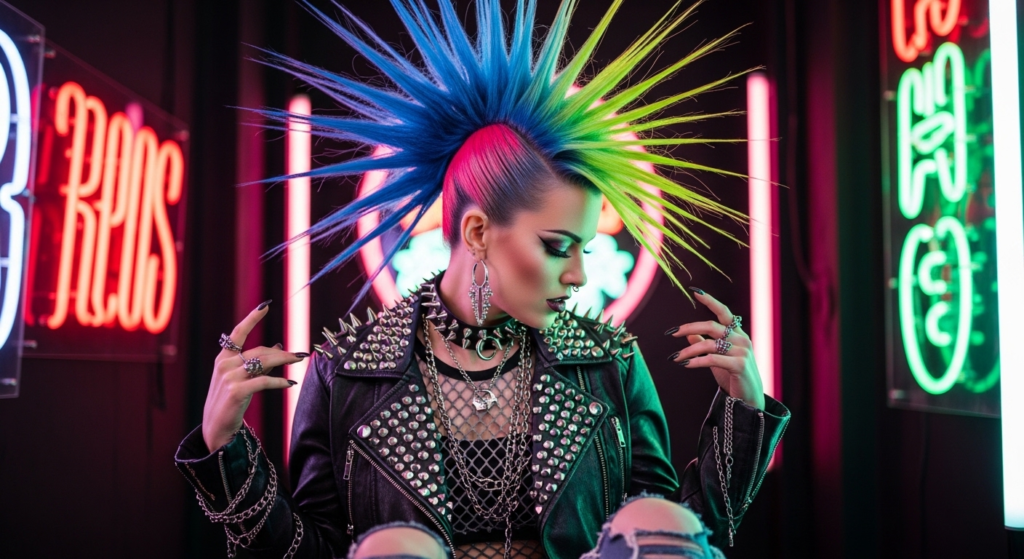
29. The Edgy Funky Updo
For the bold, this look uses “spiky” ends and high-tension pinning. It’s a great way to use the “shortness” or “thinness” of your hair as a design feature rather than a flaw.
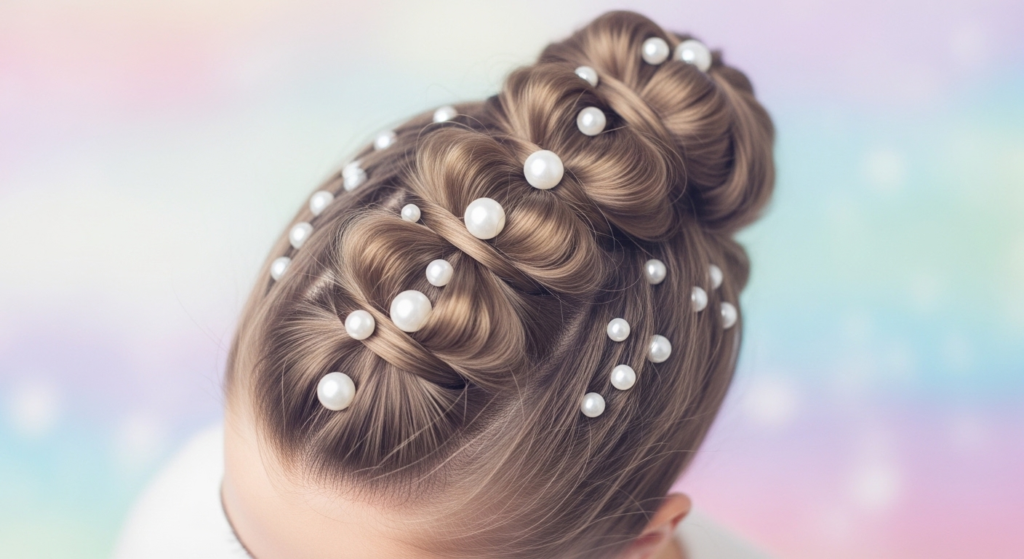
30. The Bubble Braid Halo
Bubble braids are the most effective way to fake thick hair. Each “bubble” can be pulled apart to look like a massive section of hair, even if you only have a few strands.
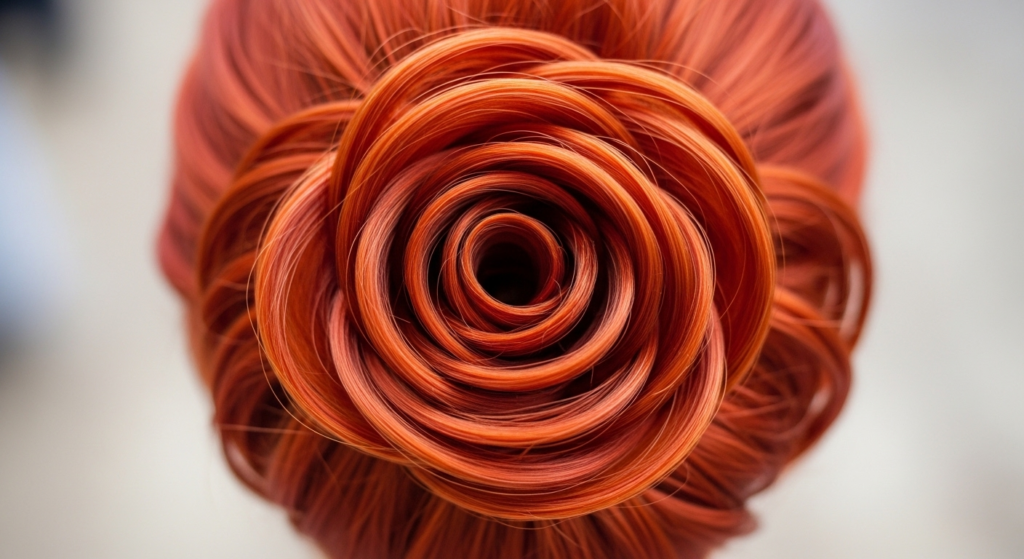
31. The Deep-Twisted “Rose” Chignon
By twisting hair and pinning it in a spiral, you create a shape that looks like a rose. The petals of the “rose” add layers of depth that thin hair usually lacks.
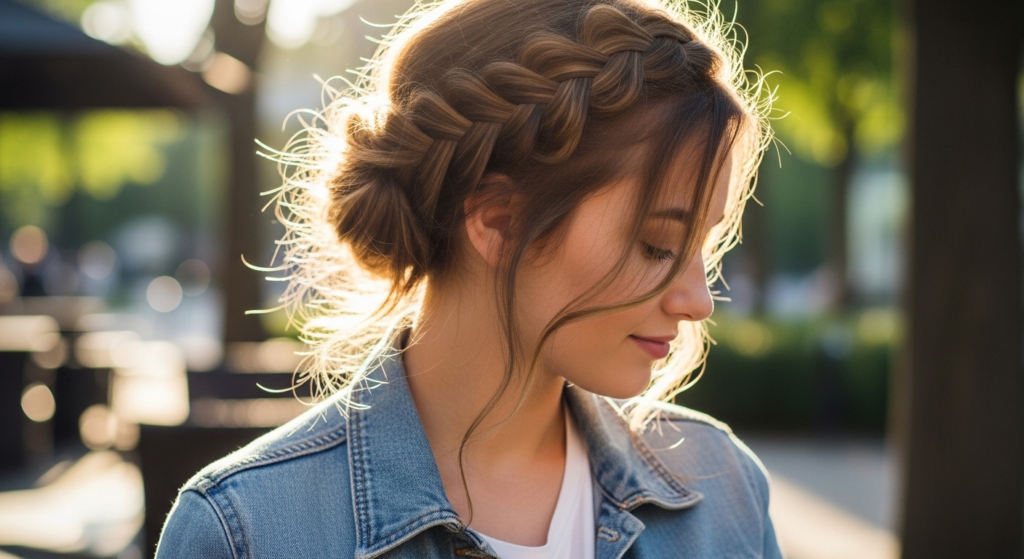
32. The One-Sided “Asymmetrical” Braid
Asymmetry is a great trick. By pulling all your volume to one side, that side looks incredibly thick, while the other side stays sleek and “snatched.”
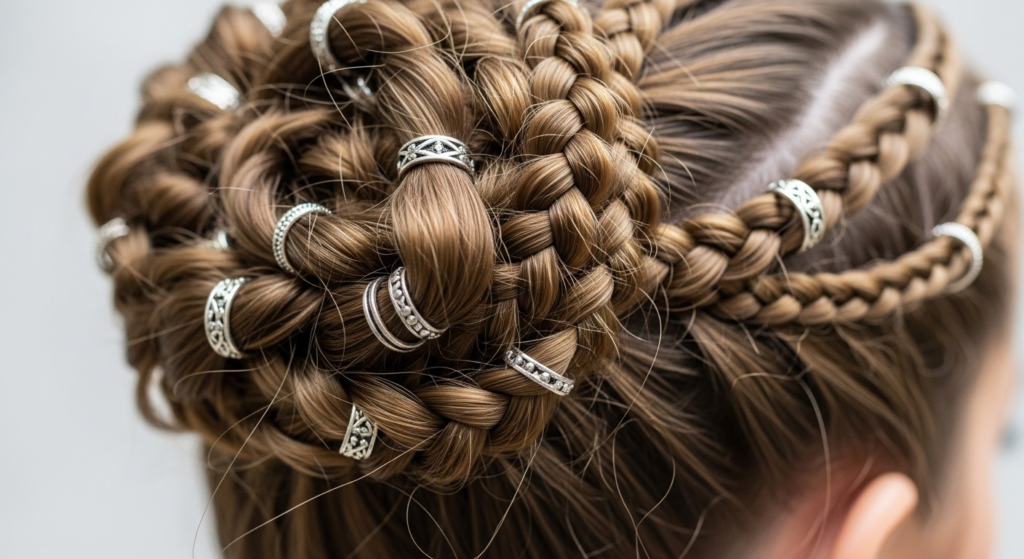
33. The Micro-Braided Detail Updo
Tiny braids act as “texture boosters.” Even if the main bun is small, several micro-braids leading into it make the style look detailed and high-effort.
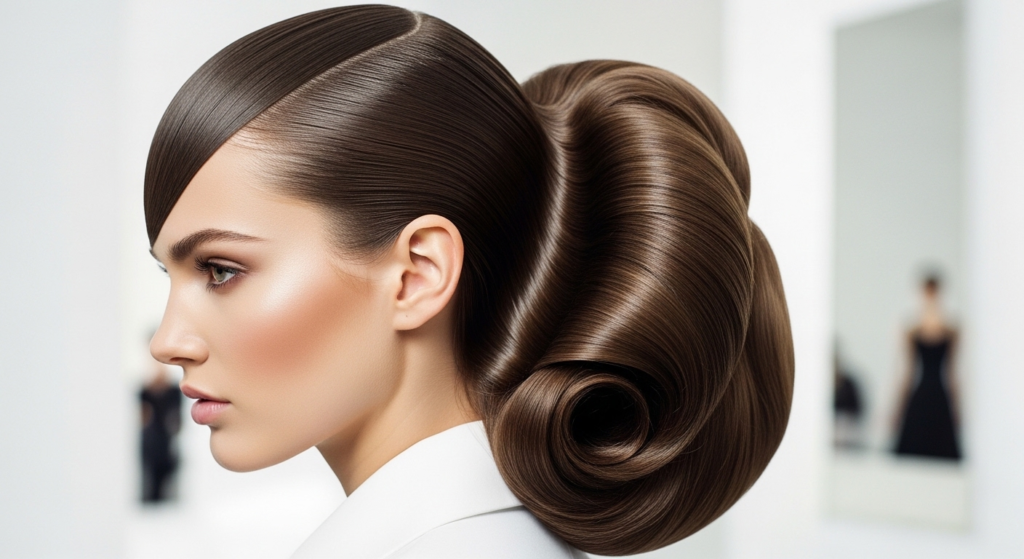
34. The Modern Luxury “Sleek-to-Volume”
This style starts ultra-tight at the front and explodes into a massive, textured bun at the back. The contrast makes the bun look even larger than it is.
35. The Messy “Tendril” Updo
Tendrils are the “smoke and mirrors” of hairstyling. By leaving several strands loose around the face and neck, you create a “frame” that makes the hair look like it’s overflowing from the pins.

Conclusion: Embracing the “Fine” Life
Fine, thin hair is not a limitation—it’s an opportunity for precision styling. Unlike thick hair, which can be heavy and difficult to pin, fine hair is incredibly “moldable.” It stays where you put it, and with the right products (volumizing powders, light-hold sprays, and dry shampoos), you can achieve height that thick-haired girls can only dream of.
The Golden Rule: Never be afraid to “tug.” Once your updo is pinned, gently pull at the sections to expand the shape. That’s the difference between a “flat” style and a Pinterest-viral masterpiece.

Related Posts